Adult dog
Choose a food labelled “complete” for adult dogs and adjust portions to ideal weight and activity.
Food
The basics for reading a label and picking food that suits your pet’s age and lifestyle. For special diets, always ask your vet.
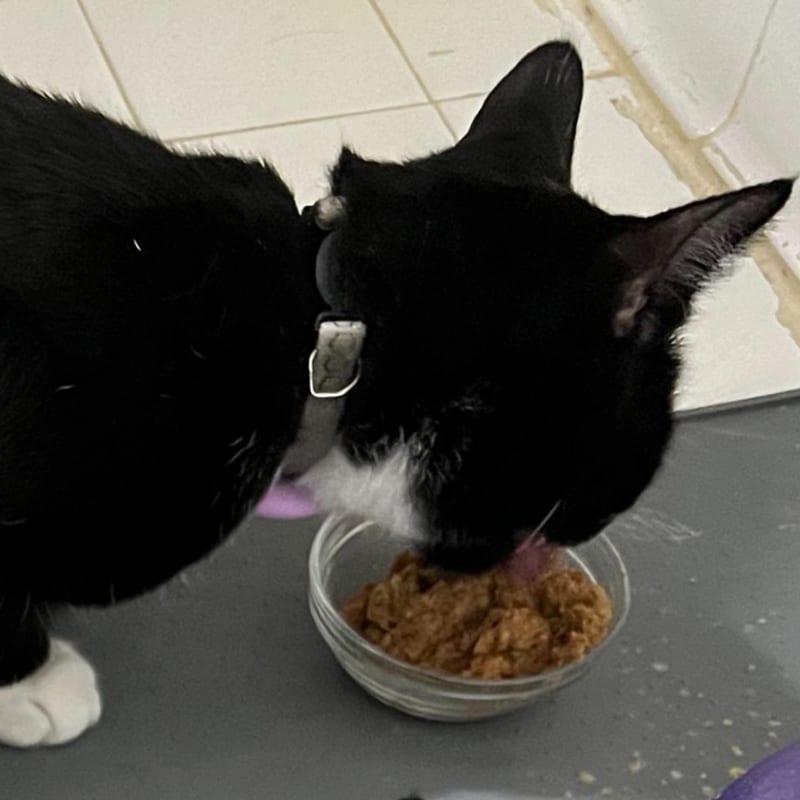
Choose a food labelled “complete” for adult dogs and adjust portions to ideal weight and activity.
Cats are obligate carnivores. A “complete” cat food covers their specific needs; fresh water should always be available.
A growth formula suited to the expected adult size. Large breeds often have dedicated formulas.
A kitten growth formula, split into several small meals a day.
Needs change with age. Check in with your vet before switching formula.
| Dry (kibble) | Easy to store and portion. Low in water: watch hydration, especially in cats. |
|---|---|
| Wet | High in water and often well liked. Keeps for less time once opened. |
| Raw | Requires strict hygiene and careful nutritional balance. Discuss with a vet. |
Key label cue: “complete” food can be fed on its own; “complementary” food is not enough as the only diet.
Enter a barcode to see brand, ingredients and categories from Open Pet Food Facts.
Open the scannerPawShorts is not a veterinary service. If you suspect your pet ate something harmful or shows symptoms, contact a vet immediately.