Dog · China
Pug
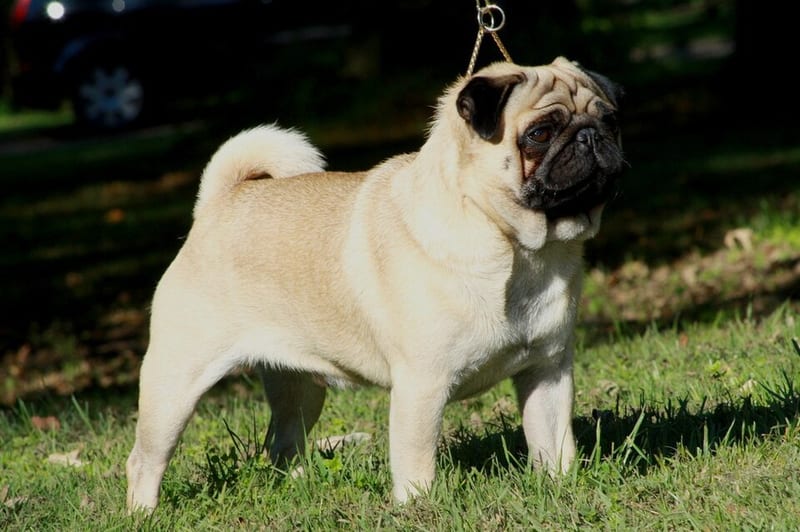
Pugs are small, compact companion dogs that originated in ancient China. They are charming, sociable and famous for their wrinkled, flat face.
- Charming
- Sociable
- Mischievous
Last reviewed: October 7, 2026
Key facts
| Origin | China |
|---|---|
| Size | Small |
| Adult weight | 6.3–8.1 kg |
| Life expectancy | 13–15 years |
| Ideal weight (FCI) | 6.3–8.1 kg |
| Measured median weight (UK) | 9.2 kg |
| Median survival (UK study) | 11.6 years (see Health) |
Typical ranges; individuals vary.
Care and needs
Gentle walks, a harness rather than a collar, clean facial wrinkles regularly. Watch portion sizes.
Good to know
Brachycephalic (flat-faced) breed: breathing can be difficult in heat or effort. Ask a vet before adopting.
This is general information. For your own animal’s health, ask a vet.
At a glance
- Energy
- Exercise needs
- Grooming
- Shedding
- Family-friendly
- With other pets
- Apartment-friendly
- Trainability
- Copes with time alone
- Vocal
PawShorts editorial estimates (1–5), not measurements. Use them to compare breeds with each other.
What is a Pug’s temperament like?
The FCI standard (No. 253, revised in 2026) describes a companion dog of great charm, dignity and intelligence, even-tempered, with a happy and lively disposition. The breed originates in China, under the patronage of Great Britain.
In the UK, Pugs had a lower risk of aggression than other dogs in veterinary records (O’Neill et al., 2022).
Weight, nose and eyes: what the standard says
The standard sets an ideal weight of 6.3 to 8.1 kg and states that substance must not be confused with obesity, which is unacceptable. The American Kennel Club gives 14 to 18 lb (6.4 to 8.2 kg).
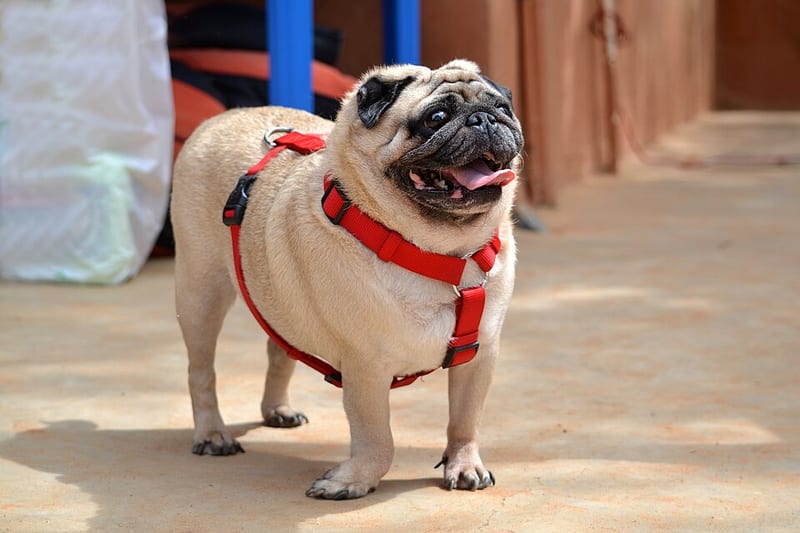
In reality, Pugs are heavier. In a UK study of 40,509 Pugs, median adult weight was 9.2 kg: 8.4 kg for females and 9.9 kg for males (O’Neill et al., 2023). Overweight was the disorder most often recorded in Pugs in another study (O’Neill et al., 2016).
The standard asks for fairly large, well opened nostrils: pinched nostrils and a heavy over-nose wrinkle are unacceptable. The eyes must never be protruding or exaggerated, and must be free from obvious eye problems. Four colours are allowed: silver, apricot, fawn and black.
Health: what the studies show
Overview. In a UK study comparing 4,308 Pugs with 21,835 other dogs, 73.4% of Pugs had at least one health problem recorded during the year, against 66.0% of other dogs. Pugs had a higher risk for 23 of the 40 most common disorders (O’Neill et al., 2022).
Breathing. Brachycephalic obstructive airway syndrome (BOAS) combines narrow nostrils, an overlong soft palate and crowded airways. In UK veterinary records it was about 54 times more common in Pugs than in other dogs, and stenotic nostrils about 51 times more (O’Neill et al., 2022). Records underestimate the problem: at the University of Cambridge, 64.6% of 189 Pugs examined had BOAS, in a sample that included dogs referred for it (Liu et al., 2017).
Eyes. Corneal ulcers were about 13 times more common in Pugs (O’Neill et al., 2022). Of 295 Pugs examined in the United States, 82.4% had corneal pigmentation in at least one eye, mostly very mild or mild (Labelle et al., 2013).
Pug dog encephalitis. This severe brain inflammation (necrotising meningoencephalitis) mainly affects young adults: in 60 affected Pugs, median age at onset was about 18 months and mean survival 93 days (Levine et al., 2008). A genetic test identifies a risk factor: of 5,974 European Pugs tested, 7.4% carried two copies (van Renen et al., 2024). The test shows a risk, not a certainty.
Spine. Vertebral malformations are very common: 96% of 57 Pugs examined in one study had at least one (Rohdin et al., 2018), though not all cause clinical signs.
Life expectancy. In the UK, median survival of Pugs was 11.6 years, against 12.0 years for crossbred dogs (McMillan et al., 2024). The American Kennel Club gives 13 to 15 years, a higher range than this study observes.
Drawbacks to know before you commit
The Pug is an endearing dog, but its build comes at a cost to its health:
- Frequent breathing difficulties, limiting exercise and heat tolerance.
- Exposed eyes, with a high risk of corneal ulcers.
- A strong tendency to gain weight, which worsens breathing problems.
- Regular skin-fold care (skin fold dermatitis is more common in the breed).
Before buying or adopting a Pug
In France, only a dog registered in the LOF can be sold as a pedigree dog (Rural Code, article L214-8). We do not give prices, for lack of a reliable, current source. Here is what to ask:
- Do the parents have well opened nostrils and breathe quietly at rest and after exercise?
- Have the parents had a vet assessment of their breathing?
- The parents’ genetic test result for pug dog encephalitis risk.
- The pedigree, the vet certificate and the puppy’s identification. Consider shelters and breed rescues too.
This is general information. For your own animal’s health, ask a vet.
Pug photos
Videos featuring a Pug



Next steps
Frequently asked questions
Is a Pug good for an apartment?
Generally yes: we rate its apartment fit as very high, as long as its exercise needs (very low) are met.
Can a Pug be left alone?
This needs planning: we rate its tolerance of time alone as moderate. Arrange walkers, sitters or company if you are out for long periods.
How much does an adult Pug weigh?
The FCI standard sets an ideal weight of 6.3 to 8.1 kg. In the UK, measured median adult weight was 9.2 kg, a sign that many Pugs are above this ideal weight (O’Neill et al., 2023).
How long do Pugs live?
In the UK, median survival was 11.6 years (McMillan et al., 2024). The American Kennel Club gives 13 to 15 years.
Why does my Pug snore?
Its very short muzzle often comes with a breathing syndrome (BOAS): narrow nostrils and an overlong soft palate. Snoring can be one sign. Talk to your vet, especially if your dog tires quickly or copes badly with heat.
What is pug dog encephalitis?
A severe brain inflammation that mainly affects young adults. A genetic test shows the parents’ level of risk.
Similar breeds
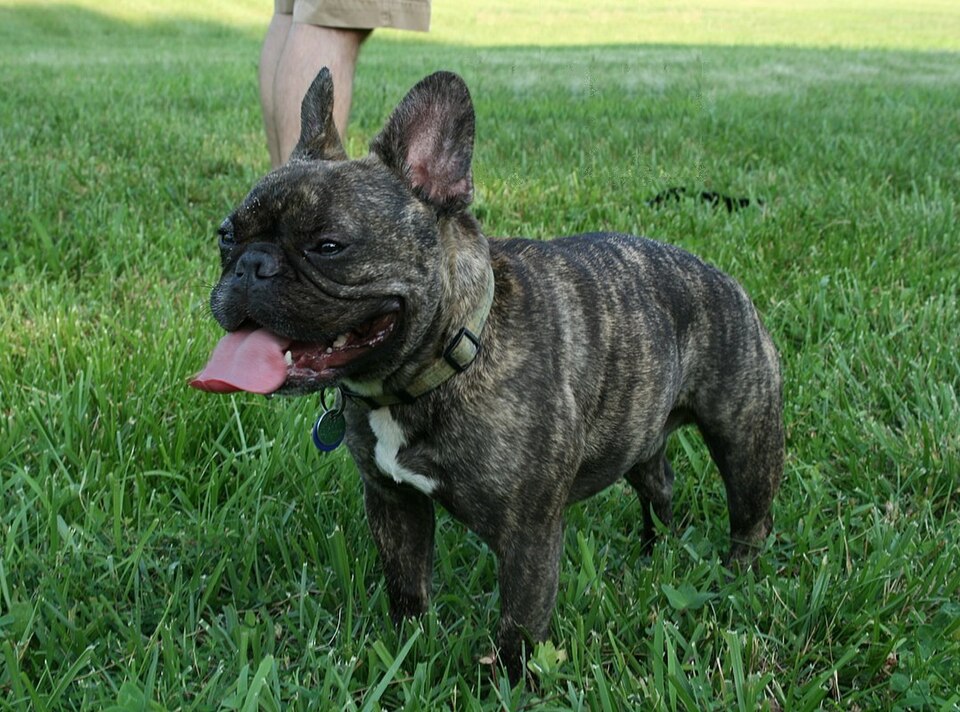
French Bulldog
Affectionate · Playful · Adaptable
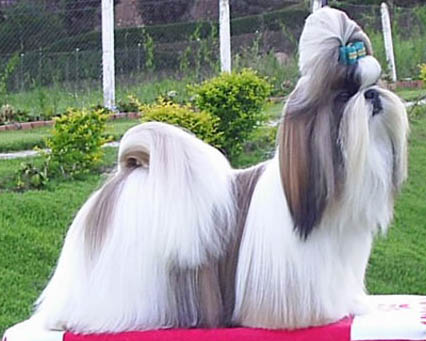
Shih Tzu
Outgoing · Affectionate · Calm
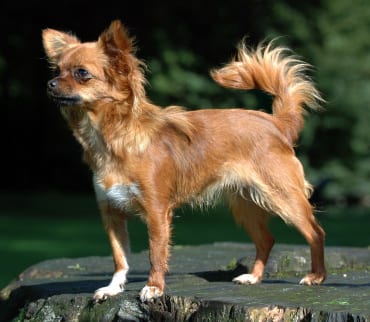
Chihuahua
Alert · Loyal · Sassy
Sources and review
- Breed reference: American Kennel Club
- Wikidata entry: Q38698
- FCI, Pug standard No. 253 (2026)
- American Kennel Club, Pug breed page (height, weight, life expectancy)
- O’Neill D.G. et al. (2016), Canine Genetics and Epidemiology, demography and health of Pugs in England
- O’Neill D.G. et al. (2022), Canine Medicine and Genetics, health of Pugs compared with other dogs in the UK
- O’Neill D.G. et al. (2023), PLoS One, adult bodyweight of dog breeds in the UK
- Liu N.C. et al. (2017), PLoS One, conformational risk factors for BOAS in Pugs, French Bulldogs and Bulldogs
- Labelle A.L. et al. (2013), Journal of the American Veterinary Medical Association, corneal pigmentation in Pugs
- Levine J.M. et al. (2008), Journal of Veterinary Internal Medicine, necrotising meningoencephalitis in Pugs
- van Renen J. et al. (2024), Frontiers in Veterinary Science, pug dog encephalitis risk genotype in European Pugs
- Rohdin C. et al. (2018), The Veterinary Journal, vertebral malformations in Pugs
- McMillan K.M. et al. (2024), Scientific Reports, longevity of companion dog breeds in the UK
- Société Centrale Canine, Livre des origines français (LOF)
- In-depth content updated: November 18, 2026
- Last reviewed: October 7, 2026