Cat · Iran (Persia), modern breed developed in the UK
Persian cat
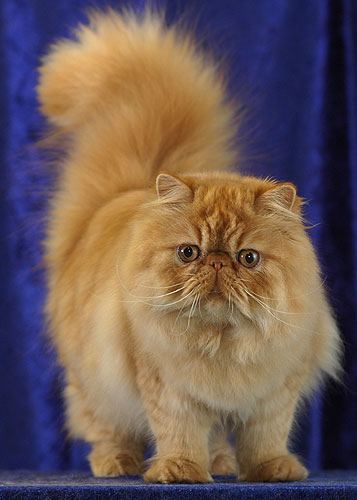
Persians are long-haired cats with a rounded face and a calm, quiet temperament. Their long coat needs daily care.
- Quiet
- Gentle
- Placid
Last reviewed: October 7, 2026
Key facts
| Origin | Iran (Persia), modern breed developed in the UK |
|---|---|
| Size | Medium |
| Size (FIFe standard) | Medium to large, cobby and low on legs |
| Average adult weight (UK study) | Male 4.3 kg, female 3.4 kg |
| Median lifespan (UK study) | 13.5 years (see Health) |
Typical ranges; individuals vary.
Care and needs
Daily combing to prevent mats; clean around the eyes regularly.
Good to know
Flat-faced types can have breathing and eye issues; discuss with a vet.
This is general information. For your own animal’s health, ask a vet.
At a glance
- Energy
- Exercise needs
- Grooming
- Shedding
- Family-friendly
- With other pets
- Apartment-friendly
- Trainability
- Copes with time alone
- Vocal
PawShorts editorial estimates (1–5), not measurements. Use them to compare breeds with each other.
What the standard says: round head, short nose and long coat
FIFe recognised the Persian in 1949; it shares its standard with the Exotic (version of 1 January 2026). It describes a medium to large cat with a cobby body, low on legs, massive shoulders and back, and short thick legs. The head is round and massive, with a very broad skull, full cheeks and small, very wide-set ears. The large round eyes have a pure colour that depends on the variety.
The nose is short and broad with a definite stop, but the standard states it must not be a snub nose and that the nostrils must be well open, allowing free and easy passage of air. The coat is long, dense, fine and silky, with a full frill covering the shoulders and chest. The standard gives no weight.
How much does a Persian weigh?
In a UK study of 3,235 Persians under veterinary care, the average adult weight was 3.9 kg: 4.3 kg for males and 3.4 kg for females (O’Neill et al., 2019). It is a lighter cat than its outline suggests, its long coat adding volume.
Health: what the studies show
Common disorders. In the same UK study, 64.9% of Persians had at least one disorder recorded over the year. The most common were coat problems (12.7%), periodontal disease (11.3%), overgrown nails (7.2%) and ocular discharge (5.8%). Kidney disease was the leading cause of death (23.4%) (O’Neill et al., 2019).
Flat face. In cats generally, a shorter muzzle and a higher nose position are linked to more breathing problems and tear staining, as reported by owners (Farnworth et al., 2016). The “peke-face” type, which appeared through a mutation in the 1950s, comes with early closure of skull sutures, which is not the case in “doll-face” Persians (Schmidt et al., 2022).
Kidneys. Polycystic kidney disease (PKD) is a dominant inherited disease of the PKD1 gene: it affected about 38% of Persians worldwide in the early 2000s, and a DNA test was developed (Lyons et al., 2004). In the UK, the gene’s frequency has since reportedly fallen sharply thanks to screening (figures cited by O’Neill et al., 2019).
Life expectancy. Median lifespan was 13.5 years (14.0 for females, 13.1 for males) from 575 deaths (O’Neill et al., 2019). Another UK study gives a life expectancy at birth of 10.9 years (Teng et al., 2024). The two figures do not measure the same thing.
Drawbacks to know before you commit
The Persian needs more care than most cats:
- A long coat that needs regular grooming: coat problems are the most common disorder.
- Eyes that often run, and teeth to watch.
- The shorter the nose, the higher the risk of breathing difficulty.
Before buying or adopting a Persian
In France, only a cat registered with the LOOF can be sold as a pedigree cat (Rural Code, article L214-8). We do not give prices, for lack of a reliable, current source. Here is what to ask:
- Both parents’ PKD1 DNA test result.
- The parents’ face type: prefer a nose that is not too short and well-open nostrils, as the standard requires.
- The pedigree, the vet certificate and the kitten’s identification. Consider shelters too.
This is general information. For your own animal’s health, ask a vet.
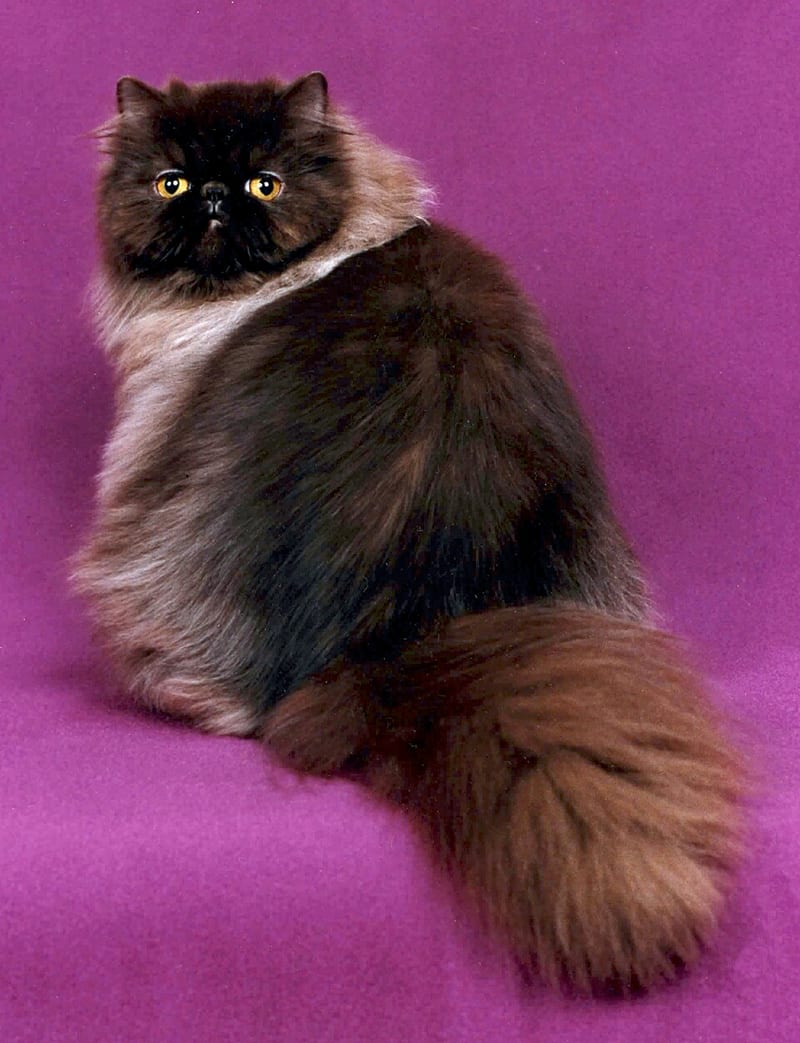
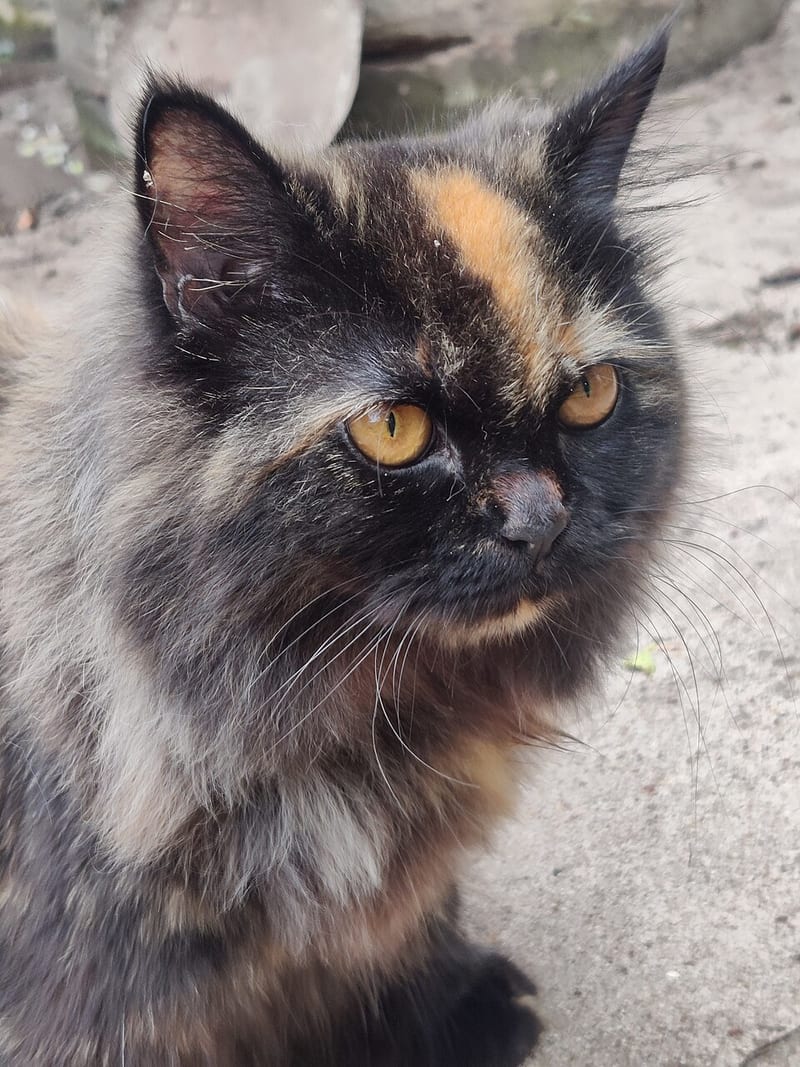
Persian photos
Next steps
Frequently asked questions
Is a Persian good for an apartment?
Generally yes: we rate its apartment fit as very high, as long as its exercise needs (very low) are met.
Can a Persian be left alone?
It usually copes fairly well with time alone, though no pet should be left alone for too long.
How much does a Persian cat weigh?
In the UK, the average adult weight was 4.3 kg for males and 3.4 kg for females (O’Neill et al., 2019). The standard gives no weight.
How long do Persian cats live?
Median lifespan was 13.5 years in a study of 575 deaths (O’Neill et al., 2019). Another study gives a life expectancy at birth of 10.9 years (Teng et al., 2024).
Do Persians have trouble breathing?
The shorter the muzzle, the higher the risk of breathing difficulty (Farnworth et al., 2016). The FIFe standard requires well-open nostrils and no snub nose.
What is PKD in Persians?
Polycystic kidney disease is a dominant inherited disease that forms cysts in the kidneys. A DNA test makes it possible to exclude carrier breeding cats (Lyons et al., 2004).
Similar breeds
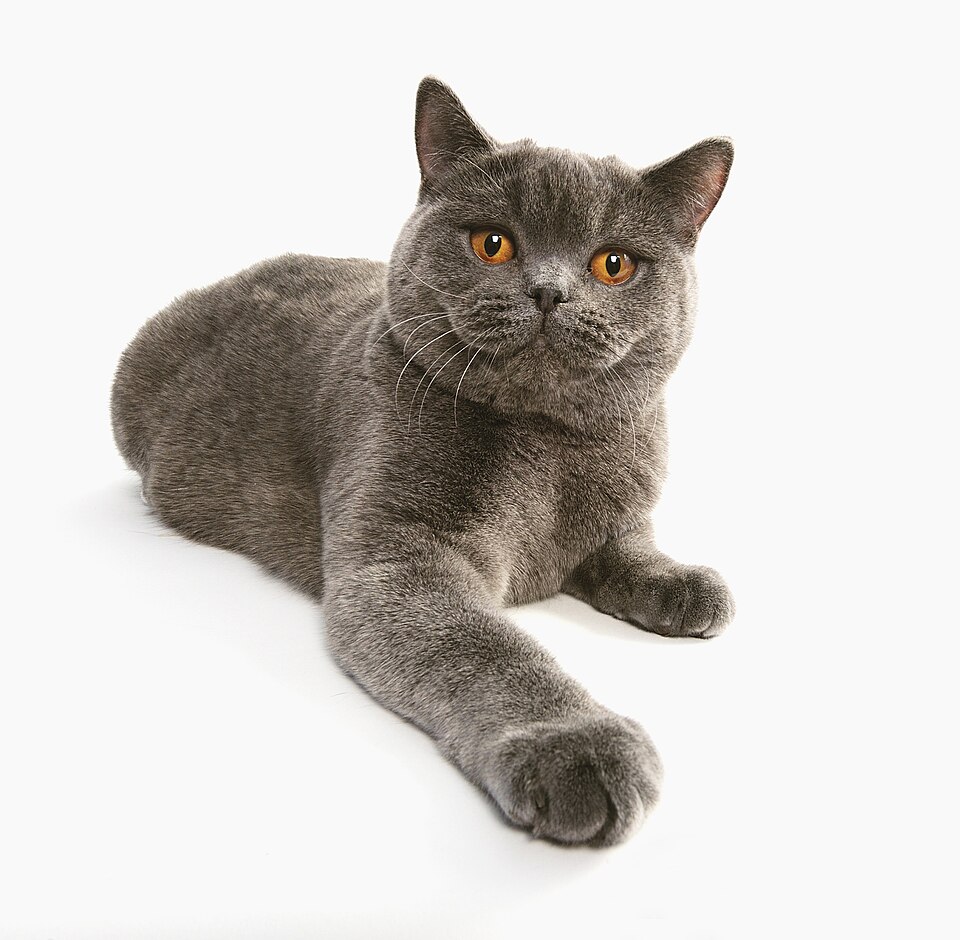
British Shorthair
Calm · Independent · Easygoing
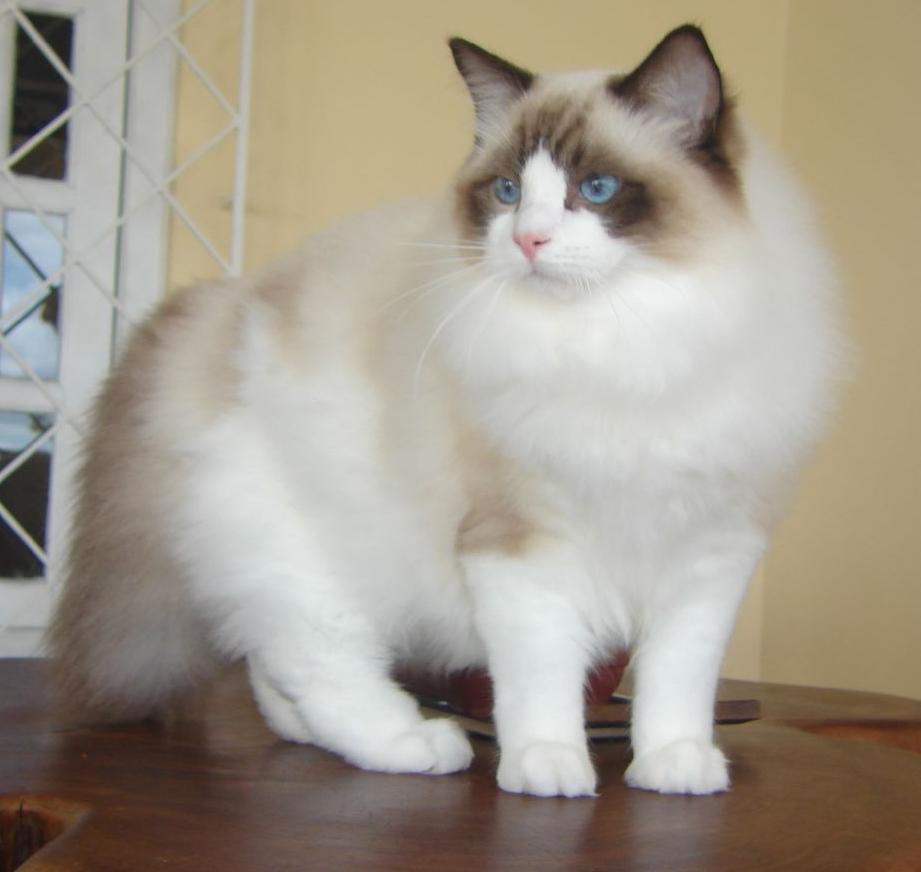
Ragdoll
Docile · Affectionate · Calm
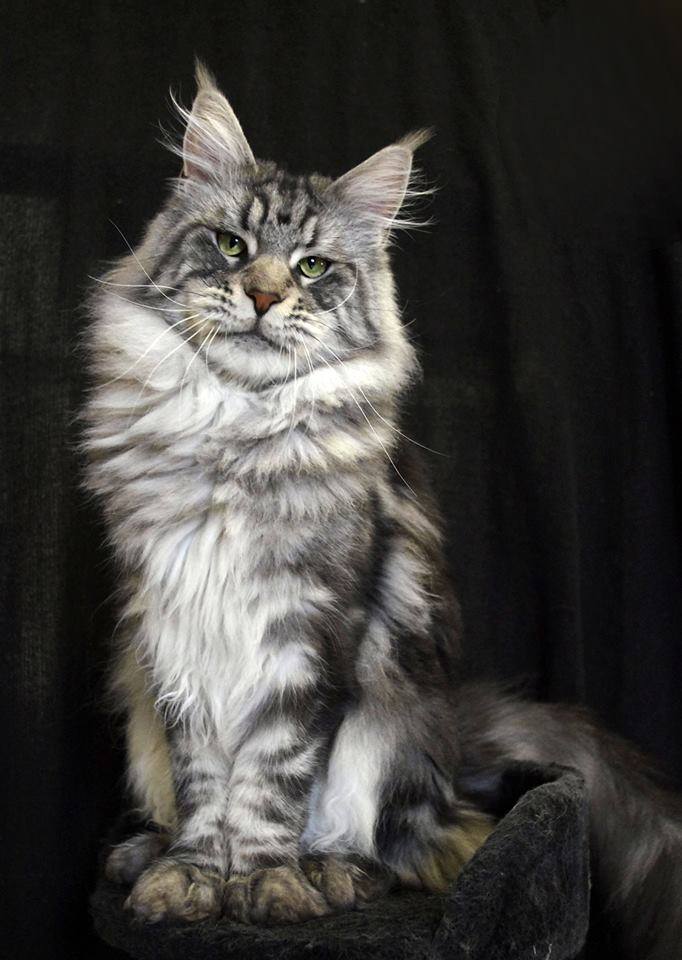
Maine Coon
Gentle giant · Sociable · Playful
Sources and review
- Breed reference: Cat Fanciers’ Association, Persian breed page
- Wikidata entry: Q42610
- FIFe, Exotic/Persian (EXO-PER) breed standard, version 01.01.2026
- O’Neill D.G. et al. (2019), Scientific Reports, Persian cats under first opinion veterinary care in the UK
- Lyons L.A. et al. (2004), Journal of the American Society of Nephrology, PKD1 mutation in Persian cats
- Farnworth M.J. et al. (2016), PLoS One, brachycephaly and health in cats
- Schmidt M.J. et al. (2022), Scientific Reports, skull suture closure in Persian cats
- Teng K.T. et al. (2024), Journal of Feline Medicine and Surgery, life tables for companion cats in the UK
- LOOF, Livre officiel des origines félines
- In-depth content updated: November 18, 2026
- Last reviewed: October 7, 2026