Cat · Scotland
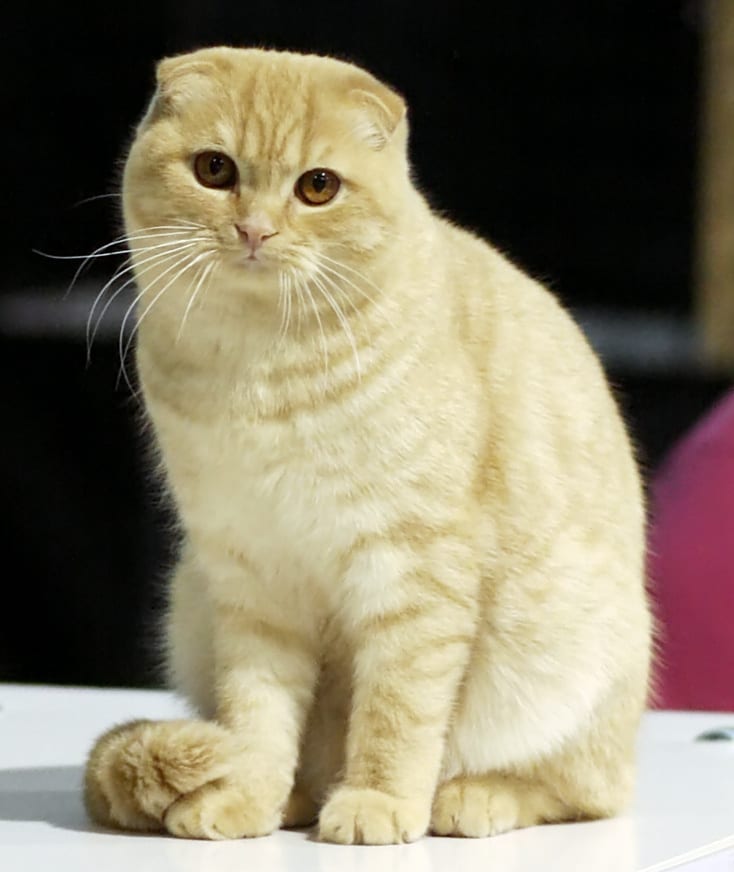
Scottish Fold
Scottish Folds are round-faced cats whose ears fold forward because of a natural gene mutation discovered in Scotland in 1961. They are calm and people-oriented.
- Calm
- Sweet
- Adaptable
Last reviewed: October 7, 2026
Key facts
| Origin | Scotland |
|---|---|
| Size | Medium |
| Fold gene | TRPV4, dominant |
| FIFe and GCCF | Not recognised |
| CFA | Recognised, fold x fold banned since 2022 |
Typical ranges; individuals vary.
Care and needs
Weekly brushing, play every day. Watch for stiffness or reluctance to jump and mention it to a vet.
Good to know
The gene that folds the ears also affects cartilage and joints. Several cat registries and veterinary bodies discourage breeding folded cats.
This is general information. For your own animal’s health, ask a vet.
At a glance
- Energy
- Exercise needs
- Grooming
- Shedding
- Family-friendly
- With other pets
- Apartment-friendly
- Trainability
- Copes with time alone
- Vocal
PawShorts editorial estimates (1–5), not measurements. Use them to compare breeds with each other.
A breed refused by several registries
FIFe, the international federation that many European clubs belong to, refuses to register or recognise any breed showing osteochondrodysplasia as a characteristic, citing the Scottish Fold. Affected cats, or cats with such a cat in their ancestry, cannot be bred, registered or shown within FIFe.
In the UK, the GCCF lists the Scottish Fold as ineligible for recognition because of “known serious health problems” (osteochondrodysplasia), and suggests the British Shorthair as an alternative.
In the United States, CFA recognises the breed but has banned matings between two folded-ear cats since 1 May 2022, because of physical problems in the kittens (crippling, deformed feet, stiff tail). According to FECAVA, breeding and trading cats with folded ears has been banned in Flanders (Belgium) since 1 October 2021.
Folded ears and osteochondrodysplasia: what the studies show
One gene. The folded ear and osteochondrodysplasia, an abnormal development of bone and cartilage, come from the same dominant variant of the TRPV4 gene (Gandolfi et al., 2016). Lesions mainly affect the lower limbs and the tail, with progressive joint destruction.
Are all folded cats affected? Early studies concluded that all Scottish Folds were affected to some degree (Malik et al., 1999), including cats with a single copy of the gene, with variable severity and sometimes no visible signs (Takanosu et al., 2008). More recent studies of genotyped cats describe milder signs in single-copy carriers: of 12 Scottish Folds from two catteries, only one had clinical signs (Sartore et al., 2023), and in Australia a clinical diagnosis appeared in about 1% of Scottish Fold records, with 64 more suspected cases (Velie et al., 2023).
Two copies, a severe form. Cats with two copies of the gene, born from matings between two folded cats, develop a severe form (Takanosu and Hattori, 2020). That is why CFA banned fold x fold matings.
Veterinary position. In 2023, FECAVA, FVE, UEVP and the International Society of Feline Medicine asked advertisers to stop using breeds with extreme conformation, citing Scottish Folds, “which develop painful arthritis from a young age”.
Weight and life expectancy. We found no reliable breed-specific source: the Scottish Fold does not appear in the large UK studies of cat longevity, and the breed organisations consulted give no figure.
Before buying or adopting a Scottish Fold
In France, only a cat registered with the LOOF can be sold as a pedigree cat (Rural Code, article L214-8). We do not give prices, for lack of a reliable, current source. If you are considering a Scottish Fold:
- Know that every folded-ear kitten carries the variant linked to osteochondrodysplasia.
- Refuse a kitten from two folded-ear parents.
- Check tail flexibility and gait with your vet, and watch for any stiffness or lameness.
- Consider shelters, or a straight-eared breed if it is the build you like.
This is general information. For your own animal’s health, ask a vet.
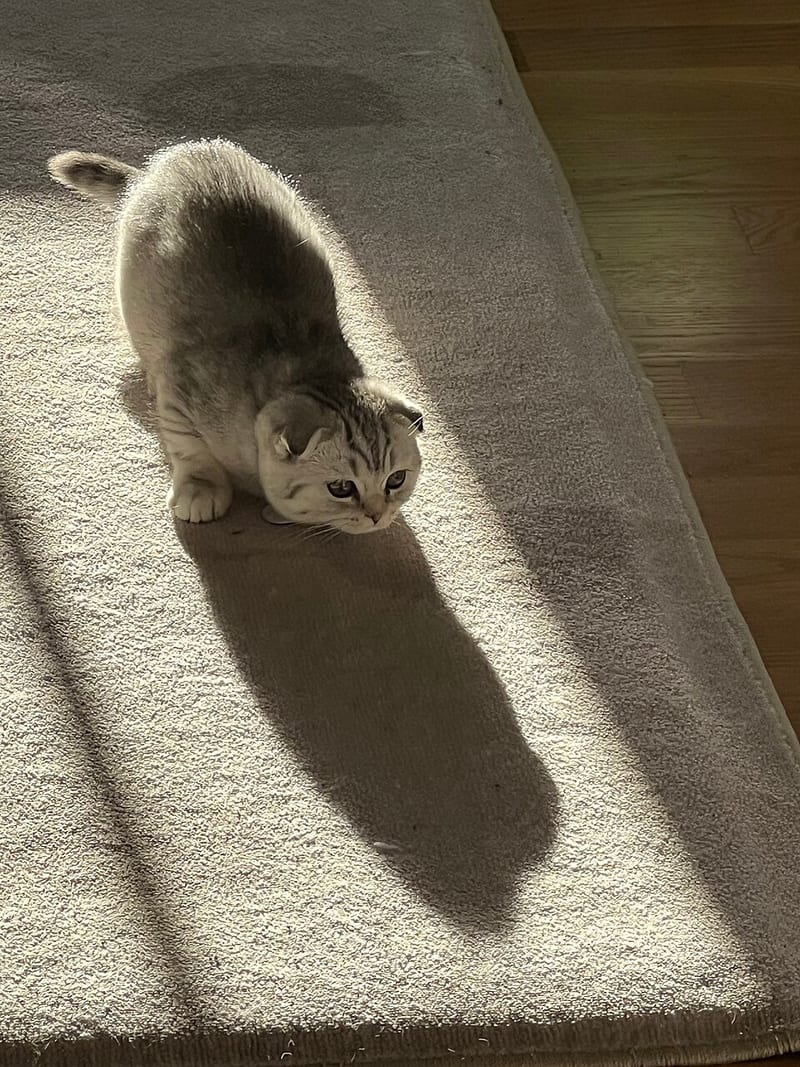
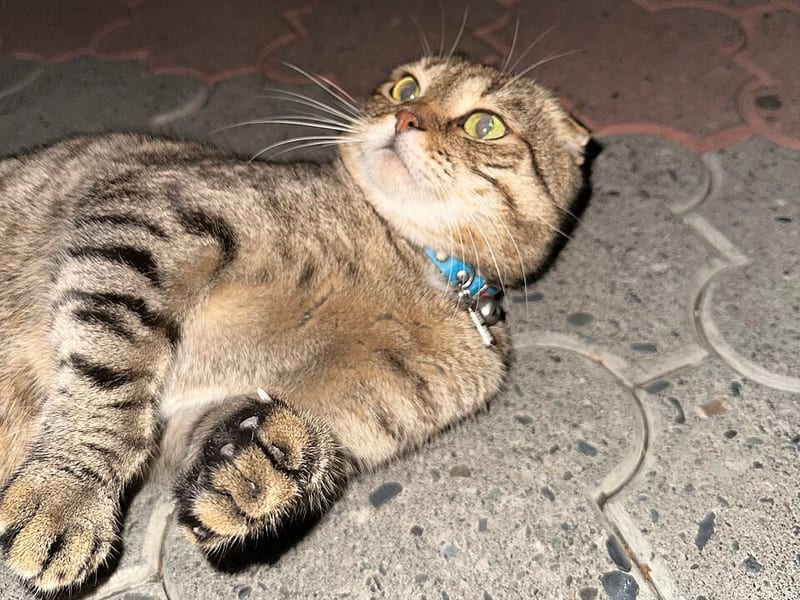
Scottish Fold photos
Next steps
Frequently asked questions
Is a Scottish Fold good for an apartment?
Generally yes: we rate its apartment fit as very high, as long as its exercise needs (low) are met.
Can a Scottish Fold be left alone?
This needs planning: we rate its tolerance of time alone as moderate. Arrange walkers, sitters or company if you are out for long periods.
Is the Scottish Fold ill because of its ears?
The folded ear and osteochondrodysplasia come from the same gene (TRPV4): every folded-ear cat carries the variant. Severity varies widely, from no visible signs to painful arthritis, and is greatest in cats with two copies.
Is the Scottish Fold recognised in Europe?
Not by FIFe, which refuses breeds showing osteochondrodysplasia, nor by the UK’s GCCF. The American CFA recognises it but has banned matings between two folded cats since 2022.
How long do Scottish Folds live?
We found no reliable breed-specific data: the breed is absent from the large UK studies of cat longevity.
Similar breeds
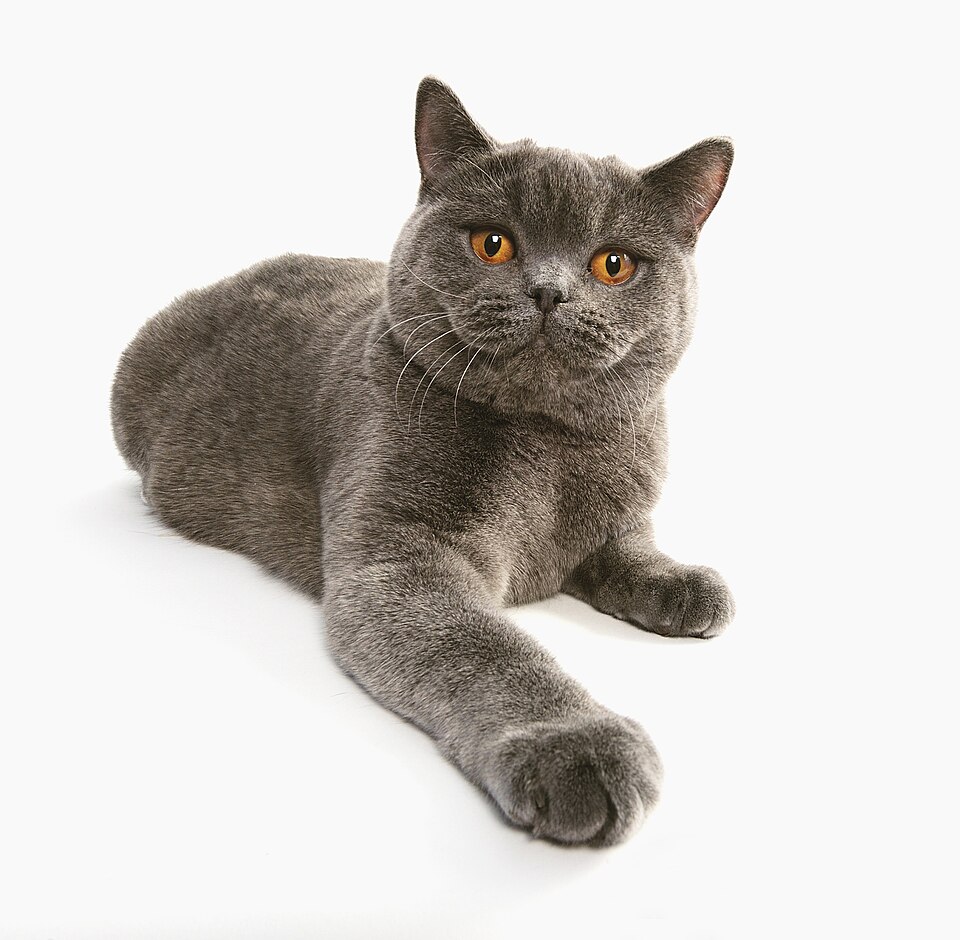
British Shorthair
Calm · Independent · Easygoing
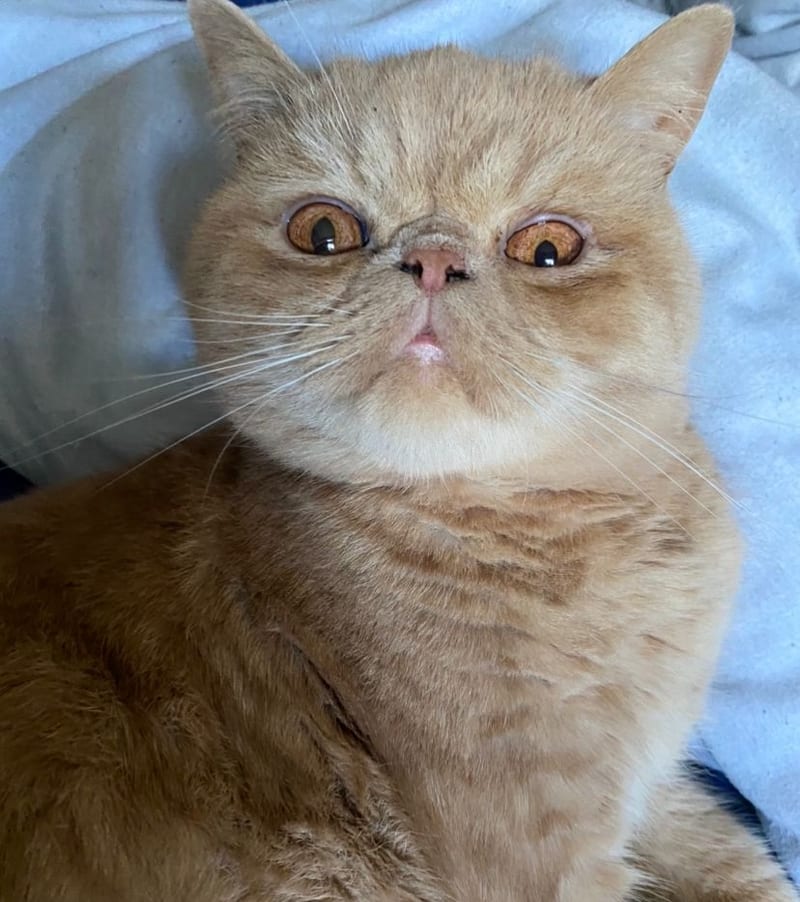
Exotic Shorthair
Calm · Affectionate · Easygoing
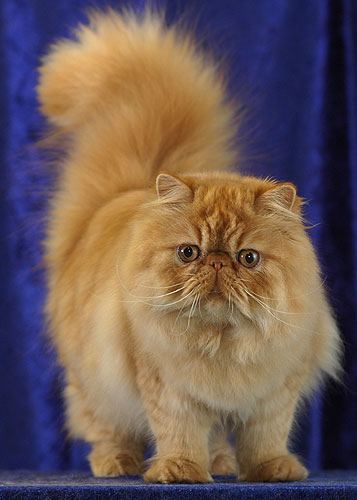
Persian
Quiet · Gentle · Placid
Sources and review
- Breed reference: Cat Fanciers’ Association, Scottish Fold breed page
- Wikidata entry: Q42636
- FIFe, Breeding and Registration Rules (§3.5.2 and §3.6.2)
- GCCF, Unrecognised breeds
- Cat Fanciers’ Association, Scottish Fold breed page
- Cat Fanciers’ Association, Scottish Fold rules of registration (fold x fold ban)
- FECAVA (2021), Belgium bans breeding and trading of cats with folded ears
- FVE (2023), FECAVA, FVE, UEVP and iCatCare urge advertisers to ban the use of cat breeds with extreme conformation
- Gandolfi B. et al. (2016), Osteoarthritis and Cartilage, TRPV4 variant in Scottish Fold cats
- Malik R. et al. (1999), Australian Veterinary Journal, osteochondrodysplasia in Scottish Fold cats
- Takanosu M. et al. (2008), Journal of Small Animal Practice, incomplete dominant osteochondrodysplasia in heterozygous Scottish Fold cats
- Sartore S. et al. (2023), Journal of Feline Medicine and Surgery, TRPV4 genotype and clinical signs in Scottish Fold and Straight cats
- Velie B.D. et al. (2023), BMC Veterinary Research, osteochondrodysplasia in Scottish cats in Australian veterinary records
- Takanosu M., Hattori Y. (2020), Journal of Veterinary Medical Science, osteochondrodysplasia in cats homozygous for the TRPV4 variant
- LOOF, Livre officiel des origines félines
- In-depth content updated: November 18, 2026
- Last reviewed: October 7, 2026